June 9, 2026
Last summer, the AIA started getting a few questions about archaeology from youth robotics team around the world. What started as a trickle quickly developed into a deluge as robotics teams (and the AIA) found out about FIRST® LEGO® League’s archaeology theme for the 2025-2026 season.
In response, the AIA developed a webinar series, a FIRST® LEGO® League resource page to support participating teams, enlisted many AIA members to talk to teams through Skype a Scientist, and developed ARCHAEOLOGY Inspire! Bundles, which include seven recent issues of ARCHAEOLOGY magazine and an Archaeology 101 handout designed to introduce learners to the field.
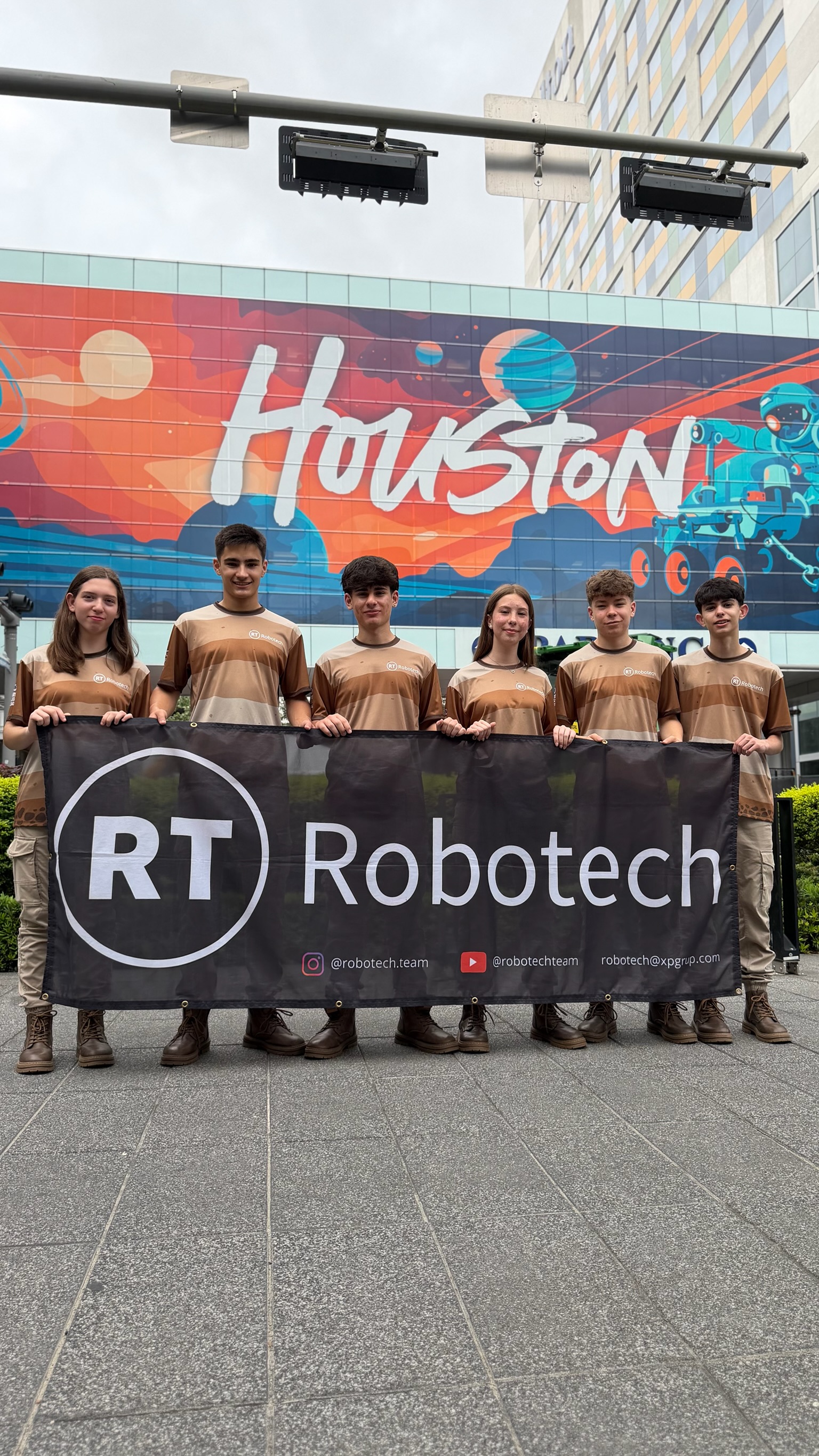
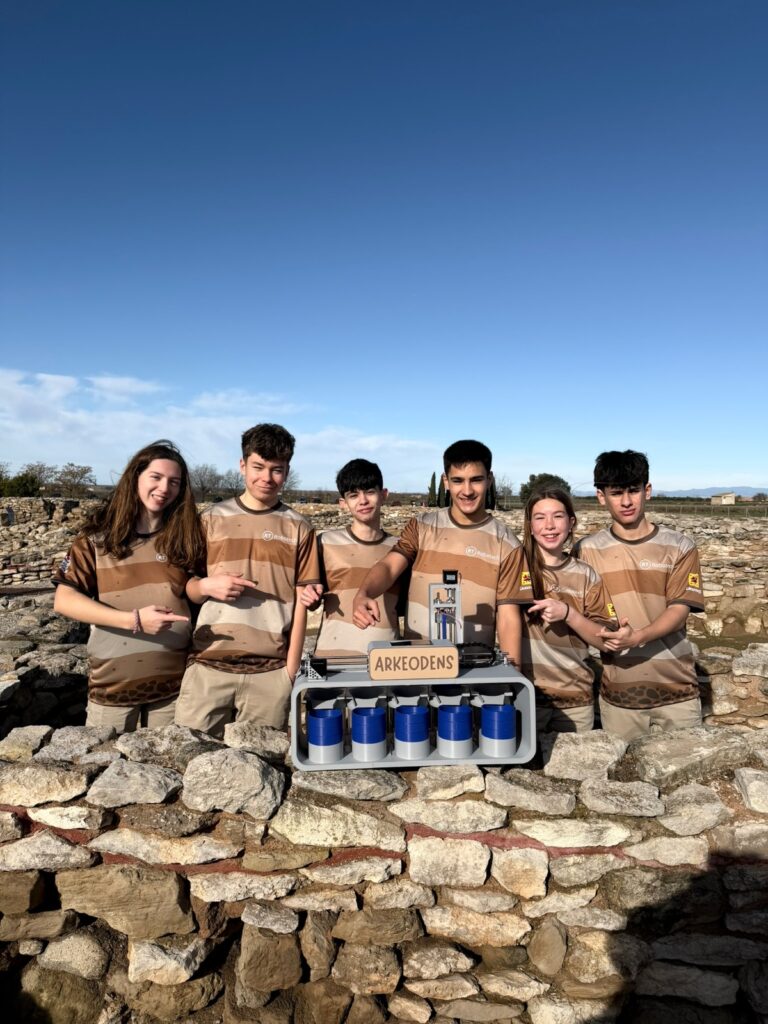
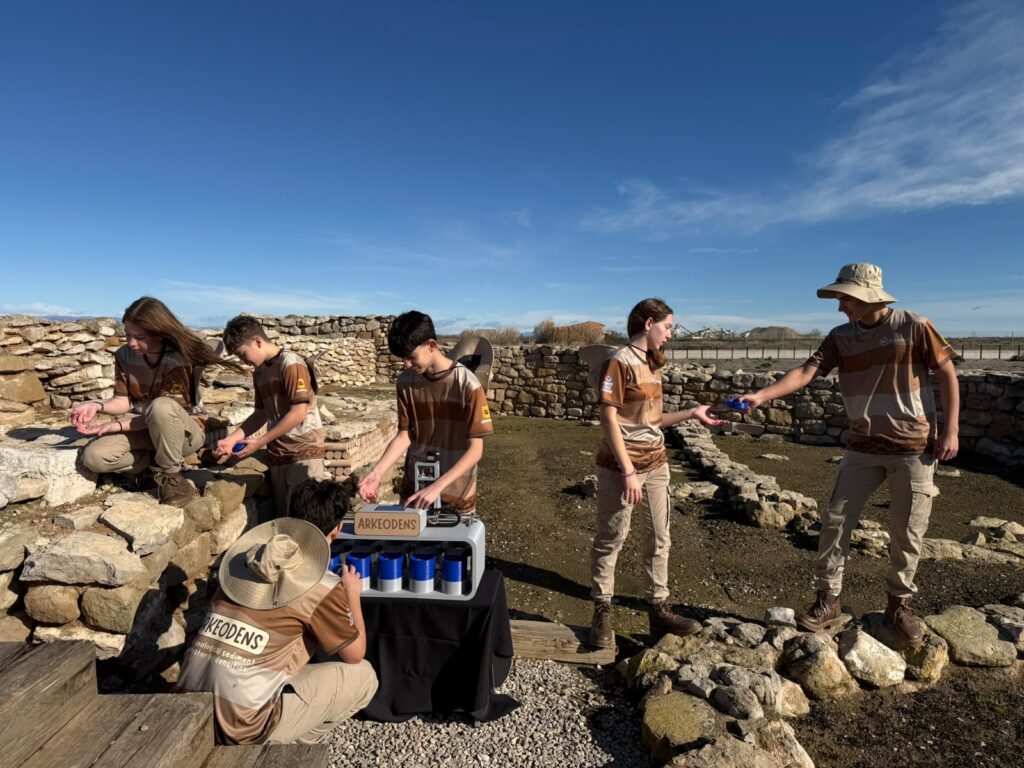
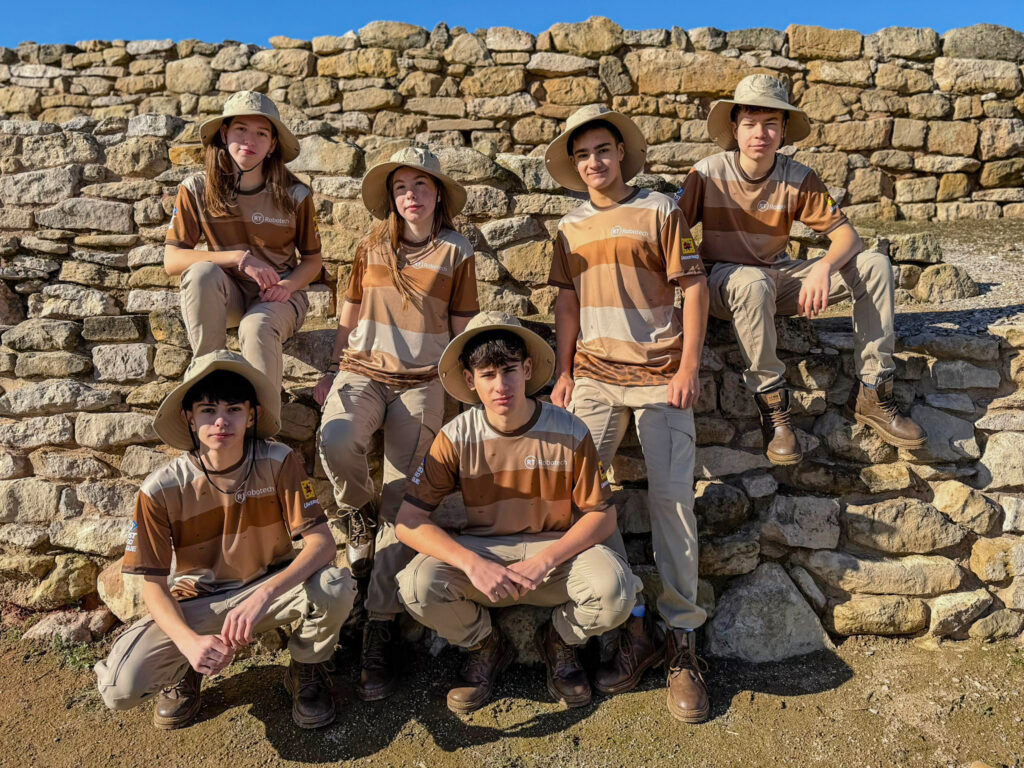
With all this interaction with FIRST® LEGO® League teams, we were very curious to see how the competition shook out. In May, the Champion’s Award was presented to Team ROBOTECH from Barcelona, Spain, in recognition of their ARKEODENS project.
We spoke with the team to learn more about their Innovation Project and how they engaged with archaeology and the season’s theme on their journey to becoming FIRST® LEGO® Champions:
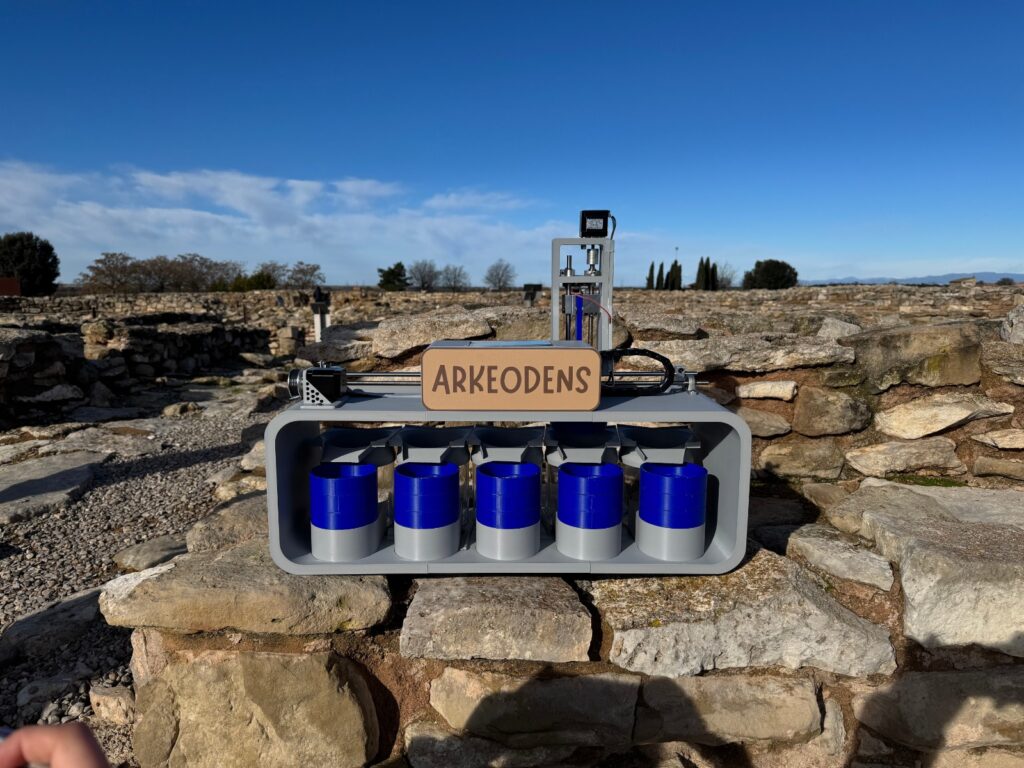
ARKEODENS is our innovation project for the FIRST LEGO League UNEARTHED℠ season. It is an automated flotation and sediment-processing system designed to help archaeologists recover small archaeological remains from soil samples, especially organic and biological remains such as seeds, small bones, bark, shells, charcoal, and other micro-remains.
During our research, we learned that these small remains can provide very valuable information about past societies, including diet, environment, agriculture, daily life, and the context of archaeological strata. However, the current flotation process is often manual, slow, and dependent on the person carrying it out. This can make the process less efficient and less repeatable, especially when archaeologists need to process large volumes of sediment.
ARKEODENS addresses this archaeological challenge by automating part of the flotation process and using controlled separation based on density and size. The objective is to make sediment processing faster, more standardized, and easier to document, while reducing constant manual intervention and the risk of losing small but important evidence. Our goal is not to replace archaeologists, but to give them a practical tool that helps them save time and obtain more consistent results for later laboratory analysis.
Besides the AIA webinars, which were very useful for us at the beginning of the season, we learned about archaeology through many different sources. We researched online, watched videos and documentaries, read books about archaeology and excavation methods, visited archaeological sites and museums, and contacted many professionals in the field. In total, we contacted a lot of experts from different entities, including universities, research centers, museums, companies, and heritage institutions. We also held video calls and interviews with experts, which helped us understand real archaeological challenges from a professional point of view.
Some of the visits and research experiences that helped us most included archaeological museums, excavation-related sites, experimental archaeology centers, and direct conversations with archaeologists and researchers. These experiences helped us move from a very general idea of archaeology to a much deeper understanding of the scientific, technical, and laboratory work behind each excavation.
Congratulations to Team ROBOTECH on this outstanding achievement!